The best patio pond is one that complements your space and is easy to maintain. A large planted pot may be enough to create reflections near a bench. A rectangular pond can structure a patio. A low water feature connected to the garden can further encourage visits from small wildlife.
Here are fifteen ideas to help you choose a direction. They can be combined, but keep one priority in mind: calm water, plants, sound, or wildlife watching. Before filling any container with water, check the container and its support. On a balcony or raised terrace, the total load must be validated for the intended location.

1. The large aquatic pot near a bench
A round container gathers a small scene within easy view. Place a vertical plant on one side, lower vegetation, and a zone for reflections. The effect comes from the contrast between the leaves and the open water. Choose a pot that is truly watertight, compatible with aquatic life, and resistant to outdoor conditions; ordinary decorative pottery does not necessarily have these qualities.
2. The contemporary rectangular pond
A rectangular shape complements a terrace with clean lines. It can visually extend a facade or low wall without occupying the middle of the walkway. Keep the plantings grouped rather than evenly distributed around the entire perimeter. The practical point to check is access to the corners: you must be able to reach debris and remove baskets without walking on the coping.
Also read:
- Creating a patio pond in 30 minutes: what is realistic and what to prepare
- Which plants to choose for a patio pond?
3. The wood-clad pond
Wood cladding warms up the appearance of a water garden and pairs well with understated furniture. However, the structure and waterproofing must be designed for water pressure. A few boards assembled around a liner do not automatically make a reliable pond. Wood treatments, fixings, and contact with water must be compatible with the project. Also plan for future inspections.
4. The model with viewing windows
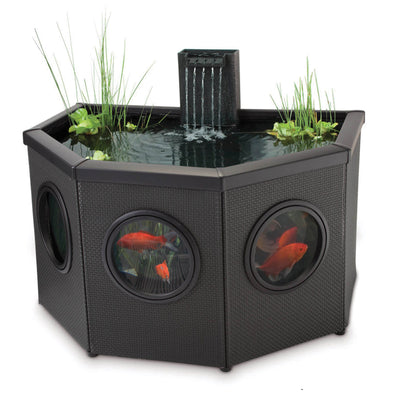
Windows add a side view of the water. They may appeal to those who wish to observe the inside of the pond from a low seat. They require gentle maintenance and placement that allows access to the walls. If fish are planned, the choice always depends on the usable volume and their adult needs. A window does not make a small pond suitable for large species.

View the Half Moon Mocha and check the version, dimensions, and included equipment before preparing its location.
5. The multi-level planted corner
Place the pond in front of a few terrestrial pots of different sizes to visually connect the water to the rest of the terrace. Plants outside the tub add volume without consuming its aquatic surface. However, keep the roots, potting soil, and watering water in their place. A fertilized pot that empties into the pond can introduce unwanted nutrients and alter the water balance.
6. The very minimalist water garden
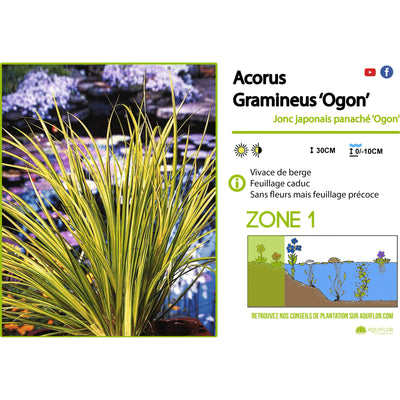
A single well-placed clump may be enough when the container has a beautiful shape. Acorus gramineus ‘Ogon’ is an option for low foliage in a suitable damp area. The choice must respect its planting depth. This composition above all requires leaving the space to breathe and containing the plant's growth over the seasons.
Also read: Patio pond: creating a small water garden on your terrace.
7. The mini-pond with spring flowers
To enjoy the water feature early, build the composition around a spring-flowering plant, such as marsh marigold, if the container allows for its proper installation. Add interesting foliage after flowering so that the tub does not lose all its appeal. Plants are chosen for seasonal succession, not solely for their appearance at the time of purchase.
8. The pond with compact water lilies
A few floating leaves and a flower can become the center of the decor. Ask for a water lily cultivar suited to the surface and depth of the container. A plant sold under a simple color name does not provide enough information about its growth. Also avoid jets that continuously wet the leaves if the variety and composition require calmer water.
9. The patio pond with a discreet sound
A low flow can accompany a reading or dining area. Prefer movement proportional to the water reserve and test the sound from the places actually used. A small waterfall near a wall can be louder than imagined. Check that the splashes fall entirely back into the tub, even in light wind, and plan for suitable electrical installation.
10. The sheet of water against a low wall
For a more architectural effect, a sheet like the Waterfall XL 60 can be integrated into a structure designed to receive it. This idea requires more preparation: weir level, accessible connections, suitable pump, and a sufficiently wide catchment. It is not simply about fixing a water outlet above a small pot. Test the assembly before closing the finishes.
11. The low water feature connected to the garden
A low pond placed at the transition between the terrace and vegetation can facilitate visits from land wildlife. Install a rough and stable exit from the water, then access from the ground if the edges require it. Small animals must be able to leave even when the level drops. Keep planted refuges nearby without completely obscuring the surroundings and passages.
12. The pond in front of a simple hedge
A calm planted background highlights the reflections and silhouettes of aquatic plants. The container becomes a focal point without adding much decoration. Leave a working distance between the hedge and the pond for pruning and waste removal. Avoid splashes of treatment products or fertilizers into the water, and protect the water feature during nearby work.
13. The duo of independent containers
Two small water gardens of similar shapes can frame a seat or pace a terrace. Keeping them independent sometimes simplifies the project compared to a waterfall between two levels. However, each container must have its own depth, volume, and maintenance. The cumulative weight counts for the support. Do not assume that two small tubs pose fewer constraints than one larger one.
14. The composition visible in the evening
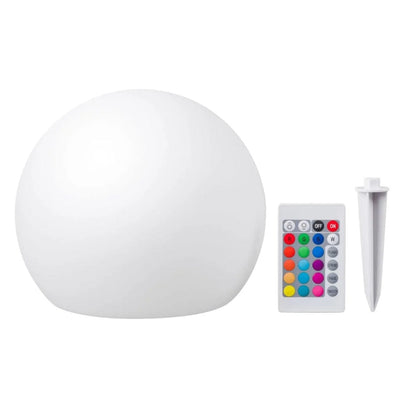
Discreet lighting can highlight the container or a clump of plants. Avoid lighting the entire surface like a shop window, especially if you wish to welcome wildlife. The MultiBright SolarFloat 20 is an example of floating lighting to examine according to the available volume and solar charging conditions. Plan for measured use and do not count on identical autonomy every night.
15. The seasonal pond easy to adapt
Plantings in accessible baskets allow you to adapt the composition without emptying the entire container. You can move a clump that has become too large, divide a plant, or change a viewpoint. The planting baskets must remain proportional to the volume. Prepare the winterization of the container and the plants before the first hard frosts, especially for a tub exposed on all its sides.
How to choose among these fifteen ideas?
First, select those that correspond to your use. To observe plants closely, favor an accessible and uncluttered composition. For sound, study the water circuit. For biodiversity, give priority to access, refuges, and the absence of fish in a dedicated mini-pond.
Then check four points: total weight, exposure, space for maintenance, and winter behavior. A small volume can heat up or cool down quickly. The choice of container must therefore be as practical as it is aesthetic. A well-prepared installation will be easier to maintain than a spectacular but inaccessible decor.
Send your favorite idea and a photo of the location to support@aquiflor.com. Add the available dimensions and the type of support to select a suitable pond and plants.
Practical sources and inspiration
- RHS: shapes of water gardens and container ponds.
- The Wildlife Trusts: mini-ponds and wildlife access.
- RHS: choice of plants according to their size and depth.
- Aquishop product sheets related to this article, to check dimensions and equipment before purchase.