The short answer: in winter, most hardy pond plants stay outside. Cut dead leaves from water lilies and submerged plants so they do not rot in the water, leave the hollow stems of marginal plants such as reeds and rushes, which help with gas exchange under the ice and provide shelter for insects, and bring in only tropical and fragile floating plants. Hardy water lilies spend the winter at the bottom, below the frost line.
Key points
- Leaves rotting in the water feed spring algae: remove them.
- The hollow stems of marginal plants stay in place until the end of winter.
- Hardy water lilies: at the bottom of the pond, below the frost line.
- Water hyacinths, water lettuce and tropical plants do not tolerate frost.
- Winter is the right time to plan spring plantings.
Why tend to plants in winter?
Plants are the best natural filter for a pond: they consume nitrates and phosphates, oxygenate the water and provide shade. But in autumn and winter, this relationship is reversed: the leaves that die and fall into the water decompose and release these same nutrients. Left in place, they prepare a green-water spring with filamentous algae. A few simple steps in December and January prevent this vicious cycle.
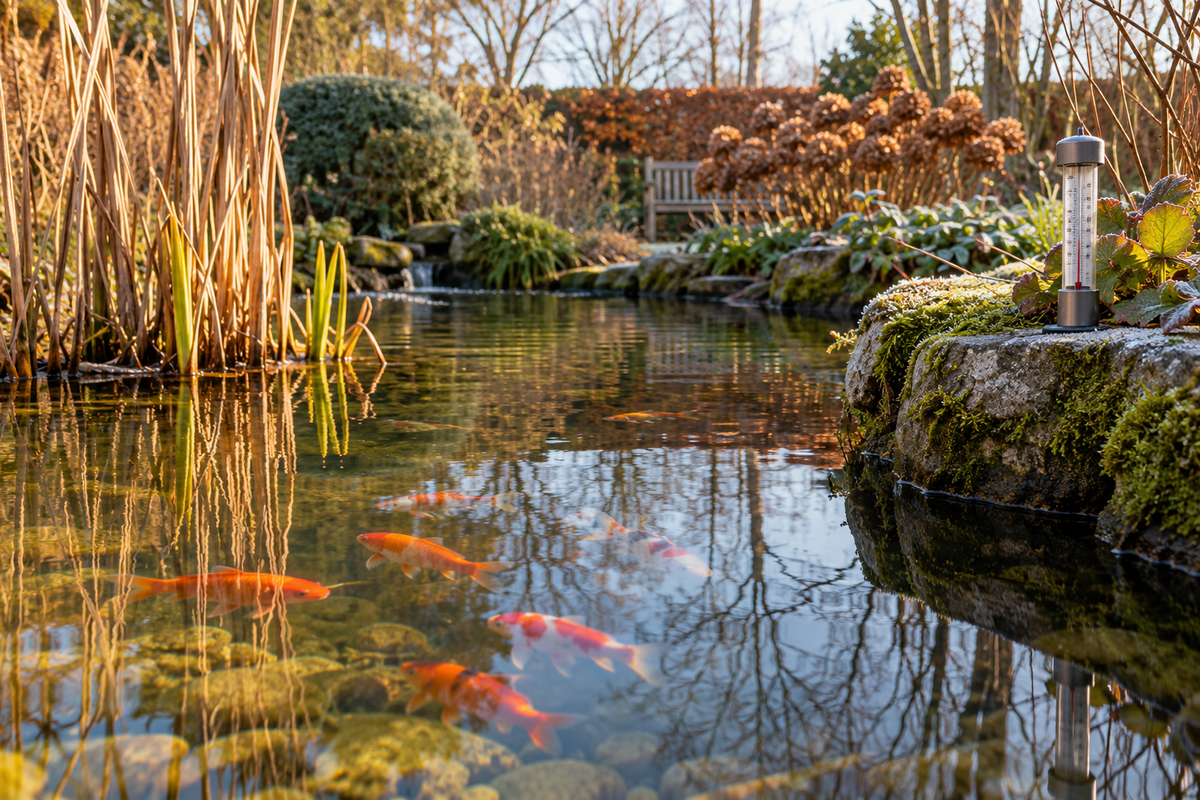
A well-planted pond is also a more stable pond in winter: marginal plants protect the edges from the wind, hollow stems maintain some exchange with the air, and submerged clumps offer shelter to fish and insect larvae. The goal, therefore, is not to cut everything, but to remove what rots and keep what protects.
What to do with water lilies in winter?
Hardy water lilies, those grown in our gardens, tolerate winter very well, provided their rhizome remains below the frost line. In a sufficiently deep pond, they simply stay in place.
- Cut the leaves and faded flowers flush with the basket, with long-handled shears or a net, before they sink.
- Lower the basket into the deepest part if your water lily is sitting on a shallow shelf.
- Do not take it out of the water: a rhizome that dries out or freezes in the air will die.
In a very small pond or above-ground tub that is likely to freeze entirely, bring the basket into a bucket of water, keep it cool and frost-free, and store it in a garage or basement.
Marginal plants: leave the stems
Reeds, rushes, marsh irises, bulrushes, sedges: marginal plants are hardy and grow back in spring. Leave their stems in place all winter. The hollow stems that pierce the ice allow some gas exchange between the water and the air, and they serve as shelter for beneficial insects and their larvae, such as those of dragonflies. Cut them about ten centimeters above the water at the end of winter, just before growth resumes, making sure not to cut them below the water level: a hollow stem cut underwater can fill up and rot.
Submerged and oxygenating plants
Elodea, hornwort or coontail stay underwater in winter. They slow down but continue to play a role. In autumn, trim back overly dense clumps and remove yellowing parts to prevent them from rotting at the bottom. In spring, they are the first to start among the plants and compete with algae.
Floating and tropical plants: bring in
Water hyacinths, water lettuce and tropical pond plants do not tolerate frost. They die at the first frosts and rot on the surface. Remove them before winter; you can try to keep a few plants in a bright tub indoors, but most gardeners buy them again in spring. Hardy floating plants, such as small water lentils or water crowfoot, spend the winter at the bottom in the form of buds.
The workshop's tip: take advantage of winter to take stock of your plants. A balanced pond has marginal plants, submerged plants and floating-leaf plants that cover a third to half of the surface in summer. If you are missing any, note it now: it is the best prevention against next year's algae.
Preparing spring plantings
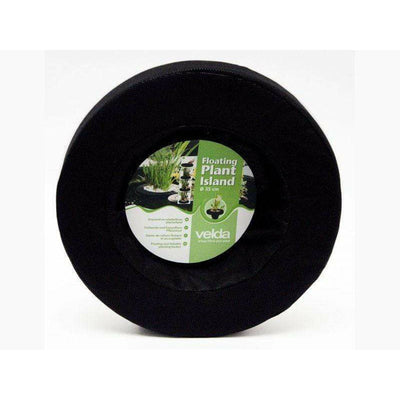
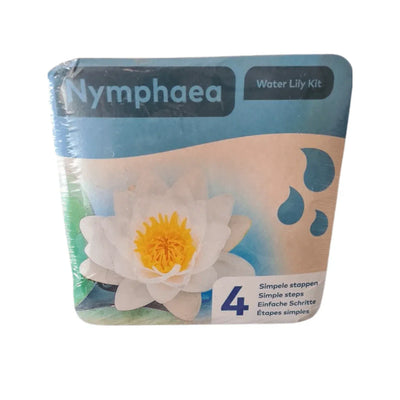
Water lilies and pond plants are planted when the water warms up, from April to June. Aquipond water lily kits, delivered dry, contain the young plant, a 19 × 19 × 10 cm basket, potting soil and aquatic gravel: everything is ready to plant. The Velda floating plant islands and Superfish allow you to plant marginal plants even where the pond is too deep, away from koi.
For a pond without shelves, or a koi pond where the fish dig everything up, floating baskets are a game-changer: the roots dip into the water and filter, the root ball stays out of reach of the fish, and you can move the plants according to the desired shade. Several Velda baskets can be connected to form an island.

White water lily kit
Basket and potting soil included

Red water lily kit
Nymphaea Attraction

Floating basket Ø 35 cm
Plants out of reach
Winter plant calendar
| Month | Action |
|---|---|
| November - December | Remove dead leaves and tropical plants, trim back submerged plants |
| January | Leave the pond to rest, plan plant purchases |
| February - March | Cut marginal plant stems above the water, divide large clumps |
| April - June | Plant water lilies and new plants, bring baskets back up |
To avoid: planting in ordinary garden potting soil. Too rich, it releases nutrients into the water and feeds algae. Always use a special pond substrate, poor, covered with gravel.
Frequently asked questions
Should water lilies be taken out of the pond in winter?
No for hardy water lilies: leave them at the bottom, below the frost line. Bring them into a bucket of water away from frost only if the pond is likely to freeze entirely.
When to cut reeds and rushes from the pond?
At the end of winter, just before growth resumes, above the water level. Their hollow stems are useful during winter.
Do water hyacinths survive winter?
No, they do not tolerate frost. Remove them before winter.
When to plant a water lily?
When the water warms up, from April to June. The dry-delivered kits can be stored until planting.
Written by the Aquiflor team, a pond and pond specialist store in Nodebais (Belgium), official Oase repair workshop. Updated in November 2026.
Have a question about your plants? Send us a photo at support@aquiflor.com or visit us in Nodebais: our team will advise you.