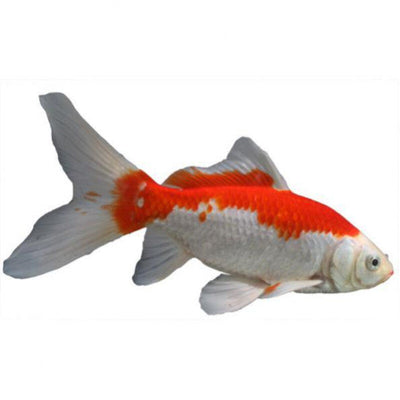
To buy pond fish, choose a specialist who can check that your pond is suitable for the animals you have in mind. Advice on adult size, population, and water is just as important as choosing a color or variety.
Aquiflor, in Nodebais, offers pond fish depending on the season and availability. Aquishop allows you to view certain references, such as sarasas, and prepare your request. Here is how to arrange a purchase that takes into account the well-being of the fish and the evolution of your pond.

Start by describing the pond
Before choosing a species, gather the volume, depths, dimensions, and age of the installation. Add the details of the filtration, pump, and aeration.
Also read: How many fish can be kept in a pond?
Indicate the fish already present, with their approximate size. The number alone is insufficient: a few large carp do not represent the same load as young fish. Also think about reproduction and future growth.
If your project is a pond for amphibians and insects, the introduction of fish deserves specific consideration. They change the environment and can consume some of the small fauna. A biodiversity project does not necessarily need to be populated with fish.
Prepare the test results
Clear water does not prove that the pond is ready. Tests provide information on mineralization and compounds resulting from waste. The needs must be examined for the species envisaged.
The JBL ProAquaTest CombiSet for ponds includes pH, KH, GH, ammonium, nitrites, and phosphates. It does not measure dissolved oxygen or nitrates. Additional tests may be necessary.
Aquiflor offers a free water test in store. Ask for the collection instructions before coming and bring information about your pond. The results will be more useful accompanied by this context.
Choose a species for its adult life
The small size of a fish at the time of purchase can hide its future needs. Ask about its adult size, behavior, schooling needs, and compatibility with other inhabitants.
Pond goldfish, koi, and sturgeon are not interchangeable. Koi require an installation suited to their growth and the load on the filtration. Sturgeon, in particular, have high oxygen needs and a specific diet.
Do not choose a fish mainly because it is presented as a "cleaner". Every animal also produces waste. The population must correspond to a sustainable maintenance project, with sufficient space and equipment.
Examine the sarasas on Aquishop

The Sarasa — pond fish page allows you to view several size classes. It is a starting point to specify your request, then check compatibility with your pond.
Before ordering, confirm the available size, the desired quantity, and the terms of receipt. A presentation photograph does not necessarily mean that you are buying the exact individual visible in the image.
The page announces delivery by Aquiflor in Belgium. Have the conditions confirmed for your destination and the planned date. The transport of live fish must be organized as such; it is not inferred from the ordinary shipping terms of equipment.
What a conversation with the seller should provide you
The seller should be able to help you check the suitability between the species and the pond. Prepare concrete questions about needs, feeding, and monitoring after arrival.
- What size and behavior to expect at adulthood?
- Does this species need to live in a group?
- Is the current filtration suitable for the planned population?
- What observations and measurements to make after introduction?
- How to organize transport and acclimatization in my case?
- What follow-up to ask if a problem appears?
Also specify the health history of the pond. A recent disease or unexplained mortality must be examined before considering new fish.
Observe the animals before purchase
In store, take the time to look at the whole group. Normal swimming, regular breathing, and the absence of visible lesions are useful elements, without constituting an absolute guarantee of health.
Clamped fins, repeated rubbing, spots, or wounds deserve an explanation. If fish appear sick in a tank, do not simply choose an individual that seems to be doing better.
Ask how arrivals are managed and what precautions are recommended at your place. A possible quarantine protocol must have suitable equipment; an improvised container without filtration or monitoring can create other difficulties.
Prepare the welcome before the trip
The pond or receiving installation must be ready before departure. Check the equipment and have the seller's instructions. Avoid combining, on the same day, a complete change of filtration and the introduction of a new population.
Aquipond NitriBoost can be considered to support biological filtration in the situations provided for on its page. Its use does not automatically make a new pond ready to receive fish: the measurements and the operation of the filter remain decisive.
Also plan suitable food. For goldfish, for example, consult the Aquifood Pond Fish Food Mix Goldfish, then have the format and ration confirmed according to size and season.
Organize transport and acclimatization
Tell the seller the planned duration of the trip so that they can prepare suitable packaging. Go directly home and avoid unnecessary stops. Protect the containers from shocks and temperature variations.
Ask for an acclimatization procedure corresponding to the transport, the species, and the differences between the waters. A fixed duration found online does not cover all situations. Do not improvise prolonged mixtures in a bag after a long transport.
Upon arrival, follow the instructions received and limit handling. Keep the seller's contact details accessible if the condition of the animals or the packaging worries you.
Introduce gradually and monitor
The increase in population increases the waste load. Proceed gradually according to the capacity of the installation, following the tests and the behavior of the fish.
Note the arrival date, the number, and the size of the new inhabitants. Observe their breathing, swimming, and feeding. An unusual development justifies quick contact; marked distress may require a veterinarian competent in fish.
If the project no longer allows keeping an animal at adulthood, look for a responsible solution with a specialist. Do not release it into a stream or natural body of water.
Prepare your visit to Nodebais
Aquiflor is located at rue Liberté 22 in 1320 Nodebais. Check the current hours and contact details, then have the desired species and sizes confirmed before traveling.
Send the photos, the volume, the current population, and your tests to support@aquiflor.com. You will be able to prepare your selection with concrete information and plan the welcome before purchase.
Sources
- Aquiflor — presentation of the fish department and seasonal availability.
- OATA — needs and care of pond fish.
- OATA — preparation of a suitable habitat and responsible purchase.
- RHS — ponds for wildlife and the role of fish.
- Aquishop pages and Aquiflor services linked in the article.